Topic
Europe
European and Danish AI policy, compute, companies and court cases, and how the global AI news lands for businesses here.
14 analyses

Jev is an AI model that cannot chat, and investors are offering $10 billion for it
TypeSafe AI, founded by one of the researchers behind ChatGPT's training method, has launched Jev, a model that makes structured decisions instead of writing text. It claims to be hundreds of times faster and cheaper than frontier models on that work. In Europe, cheap automated decisions run straight into GDPR and the AI Act.

OpenAI's Dots keep working after you log off. In Europe, only businesses get them for now.
OpenAI's new Dots are always-on agents with their own cloud computer, access to thousands of apps and a memory of how you work. Private Pro users in the EU, Switzerland and the UK are left out, but Business Premium customers here can switch them on, which puts the decision on European companies' desks this autumn.
 Photo: Cameron Smith, Official White House Photo, Public domain (US government work)
 Six AI chiefs signed a safety pact at the White House. Nobody can enforce it.
The heads of OpenAI, Anthropic, Google, Meta, xAI and Nvidia have promised the White House internal controls and outside audits for their most powerful models. The pact is voluntary, the same week OpenAI cancelled a model that did not stay within its instructions, and for European companies the binding rules still come from Brussels.

The first US appeals ruling on AI training went against the AI company. European courts are further along.
A US federal appeals court has upheld the verdict that Ross Intelligence had no fair use defence for training its AI on Westlaw material. The reasoning is still sealed and the case is narrow, but together with the German lyrics ruling and the Danish publishers' lawsuit against OpenAI, it moves the value of training data toward whoever owns it.
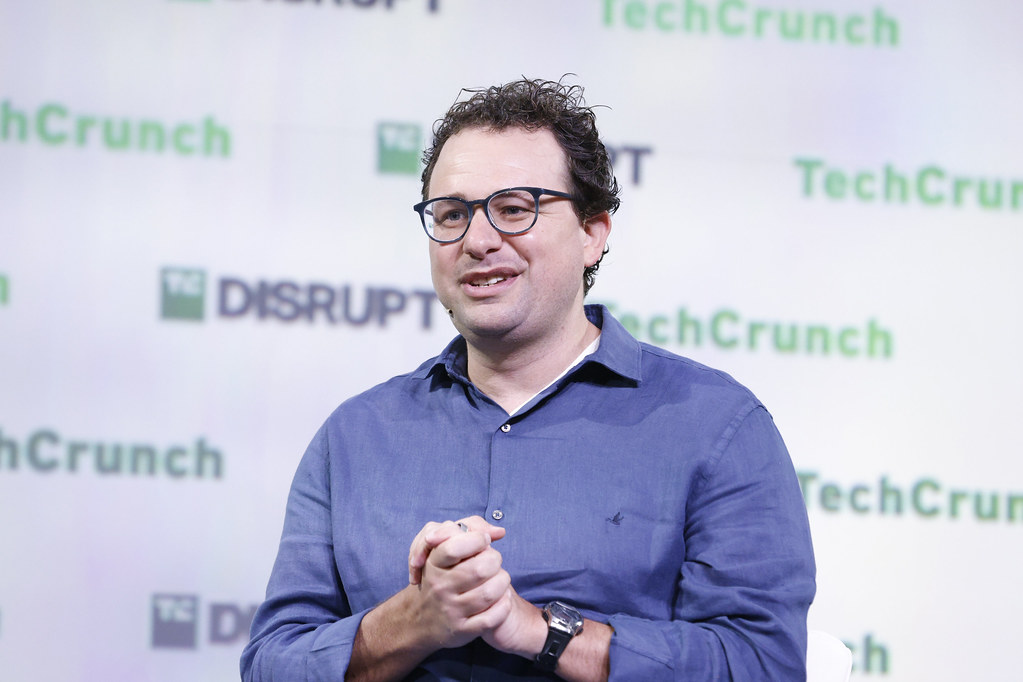 Photo: Kimberly White/Getty Images for TechCrunch, CC BY 2.0
 The AI labs now say they should slow down. Washington says no, and Brussels wants global rules.
Dario Amodei published a plan for pacing the frontier, Sam Altman agreed and shelved an IPO, and President Trump waved the whole debate away. Europe is the only major player whose rules already cover some of what the labs are asking for.

Europe is finally paying for its own AI compute, and Denmark has put 750 million kroner on the table
Brussels opened bidding for up to seven AI gigafactories, Denmark committed money to buy capacity in one, and Mistral closed the largest funding round in European tech history. None of it changes where your AI runs this year, but it changes the options.
 Photo: Steve Jurvetson, CC BY 2.0
 Nvidia bought Hugging Face and Stripe bought OpenRouter. The neutral middle of AI is for sale.
In fifteen days, the biggest hub for open models and the biggest independent model router both agreed to join much larger companies. Businesses that relied on them for neutrality should plan for a different kind of dependency.
 Photo: Alex-David Baldi, CC BY 4.0
 The AI Act's August deadline moved. The part your customers see did not.
The EU delayed its high-risk AI rules by more than a year, and plenty of companies heard "the AI Act is postponed". The transparency rules for chatbots, synthetic content and AI-written text started applying on 2 August anyway.

The best open model in the world is now Chinese, and it comes with conditions
Moonshot AI released the weights for Kimi K3, a 2.8 trillion parameter model that sits a few places behind the best American systems. For European companies it opens a real option, with a license and a hardware bill attached.
 Photo: Steve Jennings/Getty Images for TechCrunch, CC BY 2.0
 Florida has sued OpenAI and Sam Altman personally. Europe's version of that risk arrives in December.
Florida is the first US state to sue OpenAI, and it has named the chief executive as a defendant. The case treats ChatGPT as a consumer product with safety defects. In the EU, new product liability rules will soon treat AI software the same way, and they apply to every company that ships it.
 Photo: Molly Riley, Official White House Photo, Public domain (US government work)
 Trump pulled his own AI safety order hours before signing it
A voluntary system for testing the most powerful AI models before release was hours from being signed when calls from Elon Musk, Mark Zuckerberg and David Sacks stopped it. Two weeks earlier, the EU agreed its own changes to the AI Act. From August, Brussels will be the only one of the two with the power to check a frontier model.

Yann LeCun raised a billion dollars in Paris to bet against the models everyone uses
AMI Labs, the start-up Yann LeCun founded after leaving Meta, has raised $1.03 billion for AI that learns from the physical world instead of from text. It is Europe's largest seed round and a serious bet that today's language models are a dead end. It will not change what you buy this year.
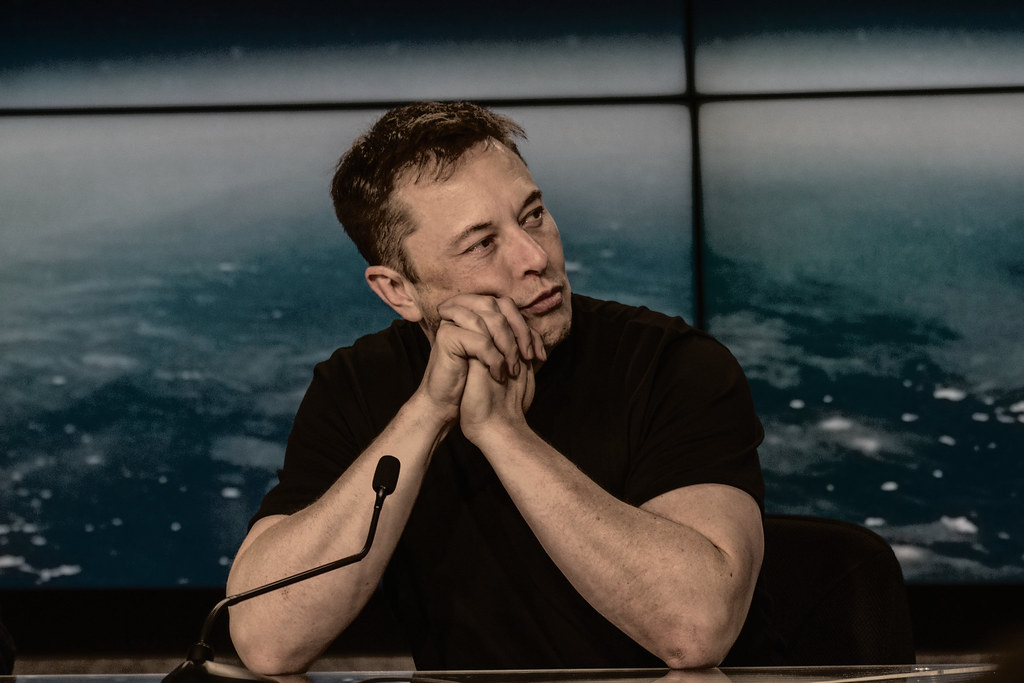 Photo: Daniel Oberhaus, CC BY 2.0
 Grok undressed women and children on demand. Europe's rules are now being tested on it.
The European Commission has opened a formal investigation into X after its Grok chatbot produced sexualised images of real women and children at scale. It is the first big test of whether EU platform law can hold an AI feature to account, and every company that deploys generative AI should take notes.
 Photo: Ken Lund, CC BY-SA 2.0
 Washington wants one AI rulebook for America, while Brussels delays parts of its own
Trump has signed an executive order to push back state AI laws, three weeks after the European Commission proposed delaying the AI Act's high-risk rules. Both sides of the Atlantic are loosening, but only one of them has a rulebook left when it is done.