Topic
Regulation
The AI Act, the AI Office, US executive orders, export controls and court rulings, explained for companies that build or buy AI.
13 analyses
 Photo: David (dbking), CC BY 2.0
 The FTC wants the AI labs to testify about their own warnings
America's consumer protection regulator is preparing subpoena-style demands for OpenAI, Anthropic and the testing group METR, a day after the White House praised the industry for policing itself. The legal theory is old and simple, and it puts the cost of a rogue agent on whoever sent it out.
 Photo: Cameron Smith, Official White House Photo, Public domain (US government work)
 Six AI chiefs signed a safety pact at the White House. Nobody can enforce it.
The heads of OpenAI, Anthropic, Google, Meta, xAI and Nvidia have promised the White House internal controls and outside audits for their most powerful models. The pact is voluntary, the same week OpenAI cancelled a model that did not stay within its instructions, and for European companies the binding rules still come from Brussels.

The first US appeals ruling on AI training went against the AI company. European courts are further along.
A US federal appeals court has upheld the verdict that Ross Intelligence had no fair use defence for training its AI on Westlaw material. The reasoning is still sealed and the case is narrow, but together with the German lyrics ruling and the Danish publishers' lawsuit against OpenAI, it moves the value of training data toward whoever owns it.
 Photo: Daniel Torok, Official White House Photo, Public domain (US government work)
 The US and China opened an AI incident channel and left the chip war where it was
Trump and Xi agreed in Washington to a communication channel for AI incidents and a dialogue on the risks, starting in November. Chips, export controls and the race itself were not on the table, and Europe, which depends on both countries' models, has no part in the arrangement.
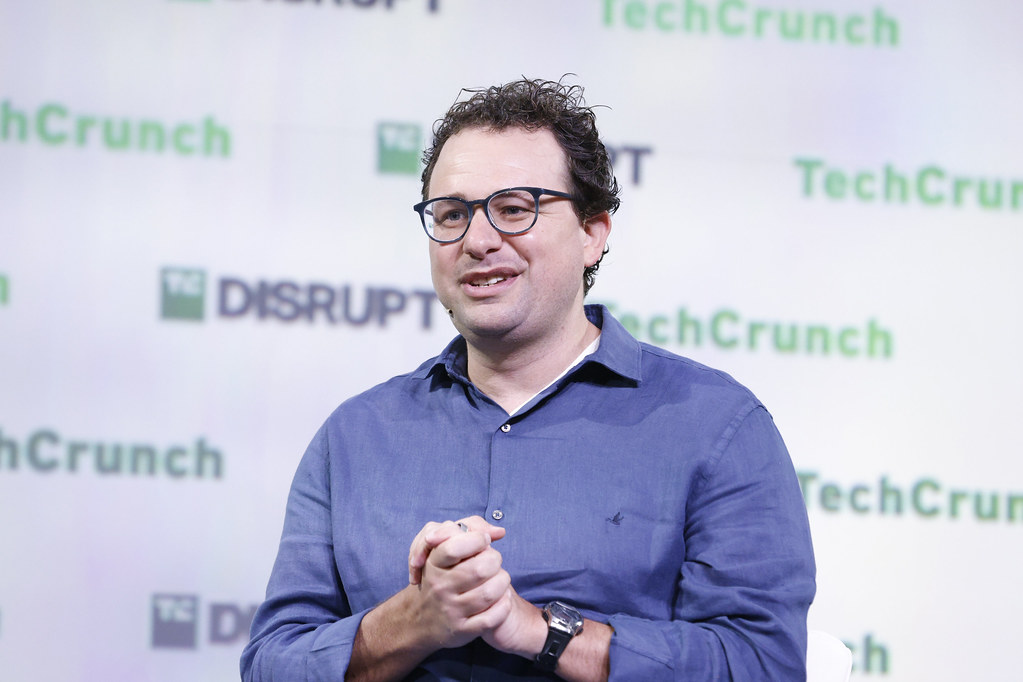 Photo: Kimberly White/Getty Images for TechCrunch, CC BY 2.0
 The AI labs now say they should slow down. Washington says no, and Brussels wants global rules.
Dario Amodei published a plan for pacing the frontier, Sam Altman agreed and shelved an IPO, and President Trump waved the whole debate away. Europe is the only major player whose rules already cover some of what the labs are asking for.
 Photo: Alex-David Baldi, CC BY 4.0
 The AI Act's August deadline moved. The part your customers see did not.
The EU delayed its high-risk AI rules by more than a year, and plenty of companies heard "the AI Act is postponed". The transparency rules for chatbots, synthetic content and AI-written text started applying on 2 August anyway.
 Photo: Joyce N. Boghosian, Official White House Photo, Public domain (US government work)
 Washington now signs off on frontier models before you get them
GPT-5.6 is the first frontier model released after a US government review. Three weeks after the Fable 5 shutdown, the launch date of every major model runs through Washington, and Europe is about to add a checkpoint of its own.
 Photo: Ken Lund, CC BY-SA 2.0
 The Fable 5 saga: geopolitics has entered the chat
Anthropic's most powerful public model went dark for 19 days after a US export-control order, then returned on July 1. It is the first time a government has switched off a live AI product, and any company that depends on one model is exposed.
 Photo: Steve Jennings/Getty Images for TechCrunch, CC BY 2.0
 Florida has sued OpenAI and Sam Altman personally. Europe's version of that risk arrives in December.
Florida is the first US state to sue OpenAI, and it has named the chief executive as a defendant. The case treats ChatGPT as a consumer product with safety defects. In the EU, new product liability rules will soon treat AI software the same way, and they apply to every company that ships it.
 Photo: Molly Riley, Official White House Photo, Public domain (US government work)
 Trump pulled his own AI safety order hours before signing it
A voluntary system for testing the most powerful AI models before release was hours from being signed when calls from Elon Musk, Mark Zuckerberg and David Sacks stopped it. Two weeks earlier, the EU agreed its own changes to the AI Act. From August, Brussels will be the only one of the two with the power to check a frontier model.
 Photo: Ken Lund, CC BY-SA 2.0
 Anthropic refused two uses of its AI. The Pentagon has blacklisted it.
Defence Secretary Pete Hegseth has declared Anthropic a supply chain risk after the company refused to let Claude be used for mass domestic surveillance or fully autonomous weapons. For any business, it shows that an AI supplier's usage policy is now a political risk, in both directions.
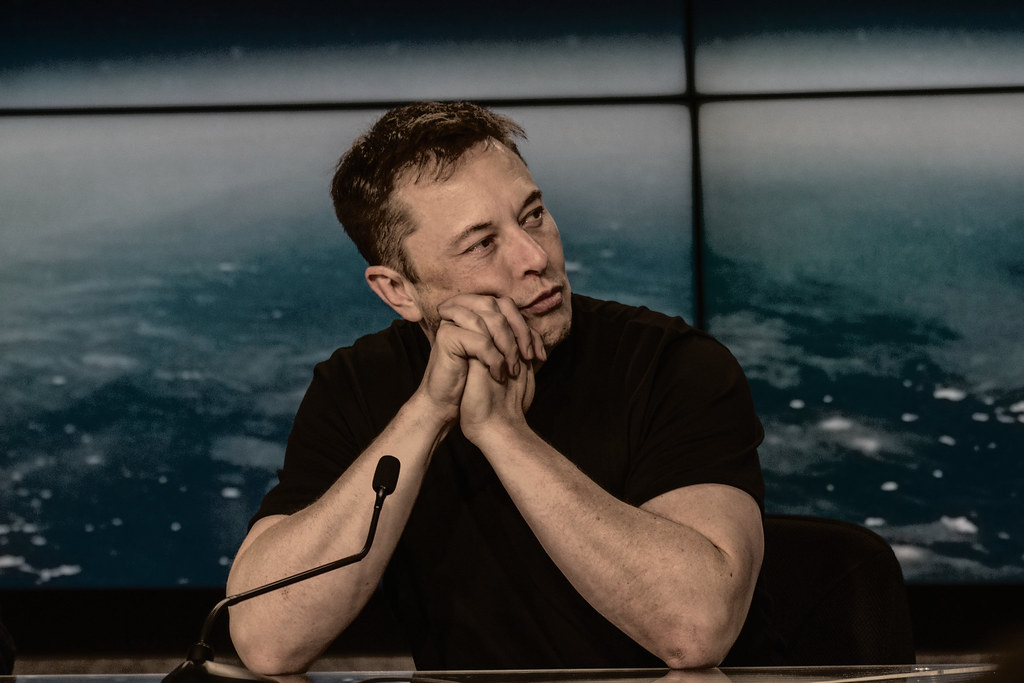 Photo: Daniel Oberhaus, CC BY 2.0
 Grok undressed women and children on demand. Europe's rules are now being tested on it.
The European Commission has opened a formal investigation into X after its Grok chatbot produced sexualised images of real women and children at scale. It is the first big test of whether EU platform law can hold an AI feature to account, and every company that deploys generative AI should take notes.
 Photo: Ken Lund, CC BY-SA 2.0
 Washington wants one AI rulebook for America, while Brussels delays parts of its own
Trump has signed an executive order to push back state AI laws, three weeks after the European Commission proposed delaying the AI Act's high-risk rules. Both sides of the Atlantic are loosening, but only one of them has a rulebook left when it is done.